
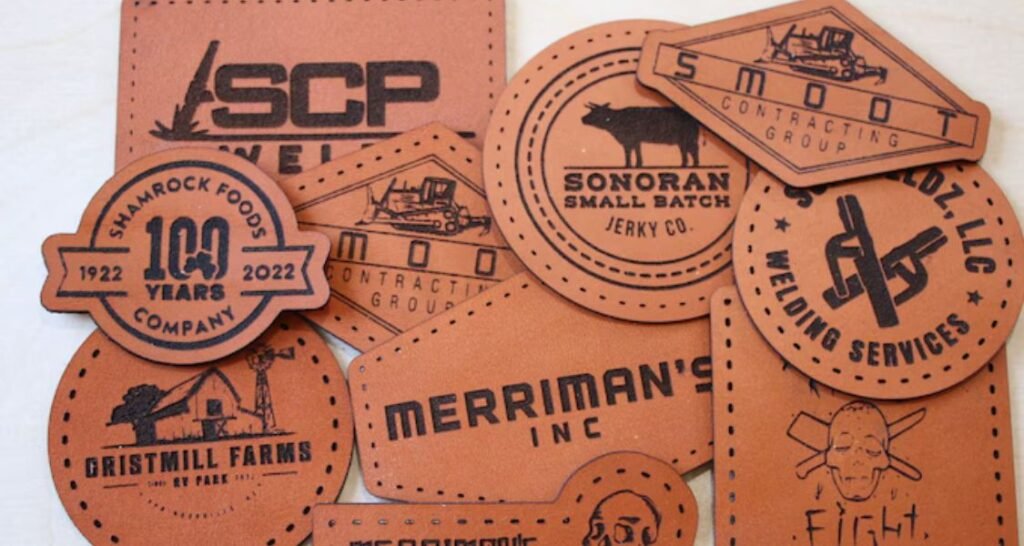
Walk into any taproom today and look around carefully. You will notice something interesting.
It is not just the beer that people are admiring.
It is the hats.
The aprons.
The jackets behind the counter.
The tote bags near the register.
Micro-breweries are no longer just selling craft beer. They are selling identity. They are selling lifestyles. They are selling belongings.
And in this growing competition, branding matters more than ever.
That is exactly why leather patches have quietly become one of the strongest branding tools for micro-breweries across the United States.
The guide will explain to you how embossed leather patches function as more than decorative items because they establish brand identity and customer perception while providing financial benefits to your business.
Let’s break this down in a simple, practical way.
Micro-Breweries Are Built on Story, Not Just Beer
Craft beer drinkers are different.
They care about:
- Ingredients
- Brewing methods
- Local sourcing
- Small-batch production
- Authentic stories
A micro-brewery is not a factory. It is a personality. That is why branding has to feel real. Not corporate. Not plastic. Not mass-produced. Leather patches naturally align with this identity.
Leather communicates:
- Craftsmanship
- Durability
- Heritage
- Authenticity
- Local pride
Micro-breweries uphold identical values which they establish as their core principles. When a customer buys your hat with a custom embossed leather patch, they are not just buying merch. The customer purchases a part of your brewery’s history.
Why Leather Feels Right for the Craft Beer Industry
Think about the environment of a brewery.
Wooden barrels.
Metal taps.
Rustic tables.
Exposed brick.
Dim warm lighting.
Leather fits naturally into this setting. Unlike printed logos that fade or crack, leather ages beautifully. It develops character over time, just like a well-crafted brew.
This connection between material and brand identity is powerful. Customers may not consciously analyze it, but they feel it. And branding is about feeling.
First Impressions: Why Merch Quality Changes Brand Perception
Let’s imagine two brewery hats on display.
Hat A: Screen-printed logo.
Hat B: Clean stitching with a debossed leather patch.
Which one feels more premium?
Most customers instantly lean toward the leather version.
Why?
Because leather adds texture, depth, dimensional detail, and visual contrast.
The brain associates texture with quality. When customers touch a leather patch, they experience craftsmanship. And perceived craftsmanship increases perceived value.
This allows micro-breweries to:
- Charge higher prices for merch
- Increase profit margins
- Improve brand positioning
It is not about raising prices randomly. It is about elevating perception.
Embossed Leather Patches: Why They Work So Well
Flat designs are everywhere. But embossing creates depth. When your brewery logo is pressed into leather:
- Light hits the design differently
- Shadows create contrast
- Details appear sharper
- The logo looks intentional
Embossed leather patches make your branding look permanent and established. That matters, especially for small breweries trying to build authority.
The SEO Side: Why Search Intent Matters for Brewery Merch
Let’s talk about strategy for a moment. People are actively searching online for:
- Leather Patches Maker
- Hat Leather patch maker
- mbossed leather patches
- Custom leather patches for hats
- Brewery leather patch hats
These are high-intent searches. When your brewery website includes optimized product descriptions with these terms naturally integrated, you increase your chances of:
- Ranking higher on search engines
- Attracting buyers ready to purchase
- Capturing wholesale and bulk merch inquiries
Many breweries ignore SEO for their merchandise pages. That is a missed opportunity. If you collaborate with a Leather Patches Maker USA and highlight that on your site, it builds trust.
Customers care about:
- Made in USA
- Small-batch production
- Ethical sourcing
- Quality craftsmanship
These keywords align perfectly with craft brewery values.
Why “Made in USA” Matters for Micro-Breweries
Craft beer is deeply connected to local pride. Partnering with a Leather Patches Maker strengthens your brand message. It reinforces:
- Local collaboration
- American craftsmanship
- Supporting domestic businesses
This is not just patriotic branding. It is strategic positioning. Consumers are increasingly searching for:
- American-made products
- Locally sourced materials
- Ethical production
When your hats feature patches made domestically, that becomes part of your story. And storytelling sells.
Hat Leather Patch Maker: Why Quality Control Is Critical
Not all leather patches are created equal. If you are investing in branded merchandise, you need consistency. Best hat leather patch maker will ensure:
- Clean, precise embossing
- Even pressure across batches
- Consistent color tones
- Durable backing
- Clean edge finishing
Poor-quality patches can:
- Crack
- Fade unevenly
- Peel
- Lose shape
That damages your brand image instantly. A micro-brewery cannot afford to look careless. Every hat walking out of your taproom is marketing on someone’s head.
Where Leather Patches Work Best in Breweries
Most breweries start with hats. And that is smart.
Leather patch hats are:
- Highly wearable
- Gender-neutral
- Seasonless
- Perfect for events
But you can expand further:
- Denim jackets for staff
- Canvas aprons
- Limited edition tote bags
- Barrel-aged release merch
- Brewery anniversary collections
Leather works beautifully on:
- Trucker hats
- Snapbacks
- Beanies
- Workwear
The versatility makes it a long-term branding asset.
Why Leather Patches Increase Customer Loyalty
Here is something important. People do not throw away high-quality items. If someone buys a cheap printed hat, it may sit in a drawer. But a well-designed leather patch hat becomes a favorite.
It travels:
- To festivals
- To camping trips
- To sports events
- On vacations
Your logo gains visibility everywhere. More importantly, the customer feels proud wearing it. That pride builds loyalty. And loyalty builds repeat customers.
The Emotional Psychology Behind Leather Branding
Leather has a history. For centuries, it has been used in:
- Saddlery
- Workwear
- Military gear
- Artisan goods
It represents durability and tradition. Micro-breweries often emphasize traditional brewing methods. Leather visually reinforces that heritage. The connection is subtle but powerful.
Customers associate leather with:
- Authentic craftsmanship
- Longevity
- Skill
- Expertise
When your logo is embossed into leather, you are visually communicating these qualities without saying a word.
How Custom Leather Patches Are Made
Understanding the process helps you appreciate the value. Here is how it typically works:
- Logo Preparation
Your logo must be simplified for embossing. Fine details may need adjustment.
- Die Creation
A custom metal mold is created to press your design into leather.
- Leather Selection
Options include:
- Full-grain leather
- Genuine leather
- Faux leather
Full-grain offers the most durability and aging character.
- Embossing or Debossing
Embossing raises the design. Debossing presses it inward. Both create premium results.
- Finishing & Attachment
Patches are cut, sealed, and prepared for sewing or heat application.
Working with an experienced Leather Patches Maker ensures this process is handled professionally.
Attachment Methods: What Works Best for Brewery Hats?
For micro-breweries, durability matters. Hats are worn outdoors. They face:
- Sunlight
- Sweat
- Rain
- Frequent use
The most recommended method is stitching. Sewn patches:
- Last longer
- Look intentional
- Provide structural strength
Adhesive-only methods may fail over time. When investing in premium merch, stitching is almost always the best choice.
Profit Margins: Why Leather Patches Make Financial Sense
Let’s talk numbers. Adding a leather patch slightly increases production cost. But it significantly increases perceived value.
For example:
- Basic printed hat retail: $18
- Leather patch hat retail: $28–$35
Customers accept the higher price because it feels premium. The profit margin difference adds up quickly, especially during:
- Seasonal releases
- Brewery events
- Festivals
- Limited-edition launches
It is one of the most cost-effective branding upgrades you can make.
Limited Edition Drops: Creating Urgency with Leather Patches
Micro-breweries thrive on seasonal and limited releases. You can apply the same strategy to merch.
Examples:
- Barrel-aged stout release hat
- Anniversary edition leather patch
- Collaboration brew patch
- Festival exclusive design
Leather enhances the collectible factor. Customers love limited-edition gear. Scarcity increases demand.
Sustainability and Long-Term Value
Fast fashion is fading. Consumers are becoming more conscious.
Leather patches support:
- Long-lasting products
- Reduced waste
- Durable construction
When merch lasts years instead of months, customers appreciate the investment. High-quality leather develops patina through its aging process. The product appears experienced instead of being outdated. The product shows its character development which matches the way craft beer develops through aging.
Building a Cohesive Brand Identity
Consistency builds trust. When your brewery consistently uses custom embossed leather patches across:
- Hats
- Staff uniforms
- Event merchandise
- Collaboration pieces
You create a recognizable visual signature. Customers begin associating leather with your brand. That recognition builds authority.
Optimizing Your Brewery Website for Leather Patch Merch
If you want to attract online sales, focus on:
- Clear product descriptions
- Keyword integration
- High-quality product photos
- Alt-text including relevant search terms
- Internal linking between merch pages
Use keywords naturally such as:
- Embossed leather patches
- Leather Patches Maker
- Hat Leather patch maker
- Brewery leather patch hats
Avoid keyword stuffing. Keep the language natural. Search engines reward clarity and relevance. Customers reward authenticity.
Why Small Breweries Benefit the Most
Large beer corporations rely on mass production. Micro-breweries rely on personality. Leather patches align with:
- Small-batch culture
- Local pride
- Artisan craftsmanship
They allow smaller breweries to compete visually with bigger brands. You may not have a national advertising budget. But you can look premium. And looking premium changes how customers perceive you.
FAQs:
What is a leather patch?
A leather patch is a piece of leather that displays a logo or brand name or design element. The patch is usually designed with embossed or engraved elements which are then attached to clothing items like hats and jackets as a long-lasting high-quality branding component.
What is the point of the leather patch on jeans?
The original function of leather patches on jeans was to show the brand name and size information of the product. The patches evolved into a design element which proved authenticity and product durability.
Micro-breweries use leather patches to show their expertise and dependability through their silent design approach.
How long do leather patches last?
High-quality leather patches can last for many years.
When properly embossed and stitched:
- They do not peel
- They resist fading
- They age beautifully
In fact, many people prefer how leather looks as it gets older.
Final Thoughts
At first glance, a leather patch may seem like a small design choice. But for micro-breweries, it is strategic branding.
It enhances:
- Perceived value
- Profit margins
- Brand authority
- Customer loyalty
- Long-term recognition
When customers walk into your taproom and see carefully designed leather patch merchandise, they see intention. They see craftsmanship. They see pride. And that reflects directly onto your beer.
If you are serious about building a memorable brewery brand, partnering with the right Leather Patches Maker and investing in embossed leather patches may be one of the smartest decisions you make this year.
Because in the craft beer world, quality speaks louder than marketing. And leather speaks quality without saying a word.